
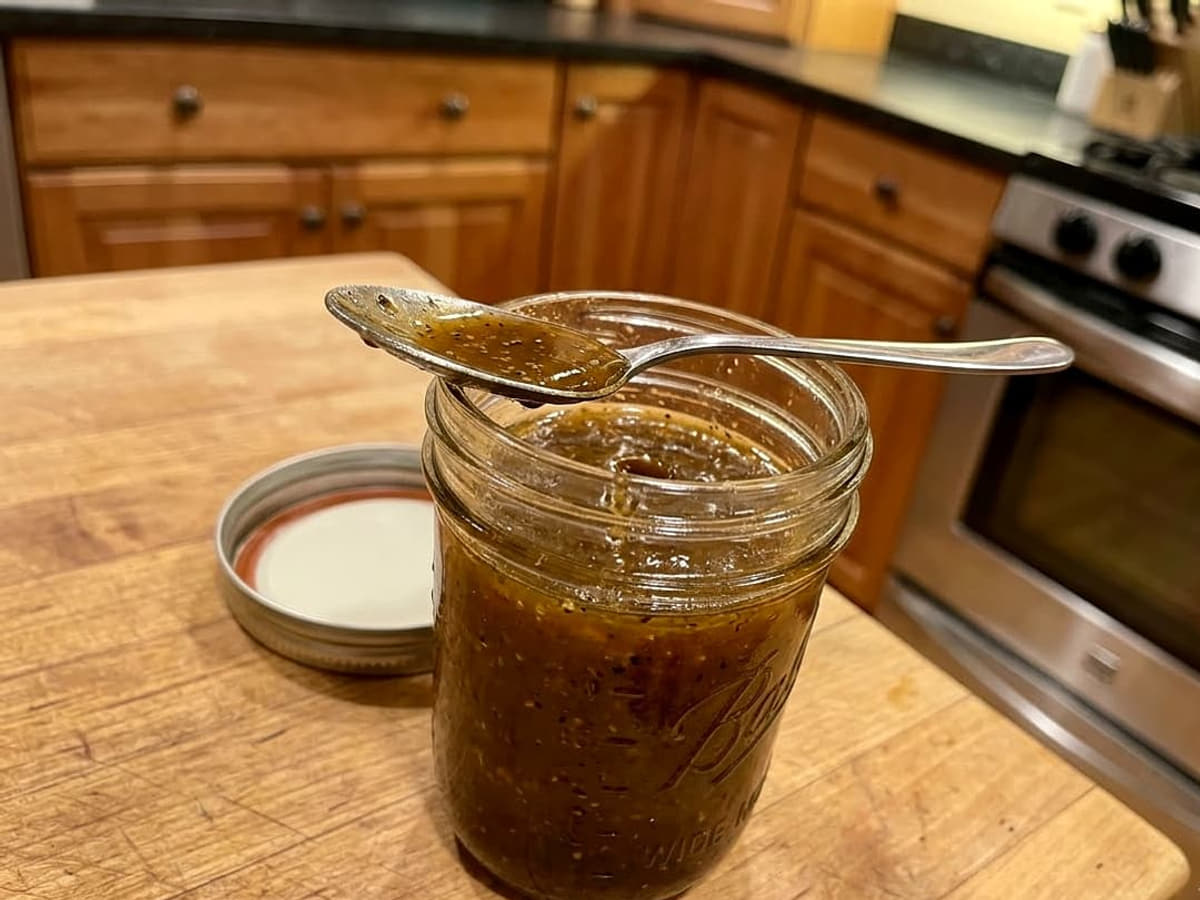
Classic Balsamic Vinaigrette
For years, I kept a row of salad dressing bottles in the fridge door and told myself it was easier. It wasn’t.
This balsamic vinaigrette takes about three minutes to shake together in a jar, and once I learned the one ratio that makes it work, I stopped buying bottles entirely.
The ratio is 3 parts oil to 1 part balsamic vinegar. That’s the classic vinaigrette proportion, and it lands soft on the palate without tasting flat.
The other thing I got wrong for a long time was tasting the dressing off a spoon. Straight from the jar it tastes sharp and a little sour.
On lettuce, it’s balanced. Taste it on a leaf before you adjust anything.
Prep: 5 minutes · Cook: 0 minutes · Total: 5 minutes · Serves: 8 (2 tbsp each)
What’s the right ratio for a balsamic vinaigrette?
The classic ratio is 3 parts oil to 1 part balsamic vinegar. That gives you 3/4 cup olive oil to 1/4 cup vinegar. Dijon mustard holds the two together so the dressing stays emulsified instead of splitting into layers within a few minutes of shaking.
Why This Recipe Works
- The 3:1 oil-to-vinegar ratio is the standard vinaigrette proportion recognized across classic sources. It softens the acid enough that the dressing coats greens without puckering them.
- Dijon mustard acts as an emulsifier. It contains compounds that bind oil and water-based liquids together, which is why the dressing turns opaque and slightly thick when you shake it, instead of staying as two separate layers.
- A small amount of honey balances the sharpness of balsamic without making the dressing taste sweet. Without it, the vinegar flavor reads as flat and one-dimensional.
The first time I made this, I skipped the mustard because I didn’t think it would matter. The dressing split in about four minutes flat.
Mustard is the one ingredient I don’t skip now, ever.
What Makes This Balsamic Vinaigrette Special
- Ready in five minutes with no cooking and no special equipment
- Made entirely from pantry staples you probably already have
- One jar, one shake, no bowl or whisk to wash afterward
- Keeps a full week in the fridge, so you make it once and use it all week
What Goes Into Balsamic Vinaigrette
- 3/4 cup extra virgin olive oil
- 1/4 cup balsamic vinegar
- 1 tbsp Dijon mustard
- 2 tsp honey
- 1 small garlic clove, finely grated
- 1 tbsp shallot, finely minced (optional)
- 1/2 tsp fine salt
- 1/4 tsp black pepper
Ingredient Notes
Balsamic vinegar varies a lot by price. A thin, sharp, inexpensive bottle is fine for everyday use, but you’ll want the full 2 tsp of honey to round out the edge.
A thicker, aged balsamic is naturally sweeter and syrupy, so start with just 1 tsp honey and taste before adding more.
Dijon mustard is not optional here. Both classic vinaigrette sources cross-checked for this recipe include it, and for good reason: it’s what holds the oil and vinegar together.
A grainy whole-grain mustard works too and gives the dressing a little texture, but plain Dijon blends in cleanest.
For the olive oil, use a bottle you’d be happy drizzling on bread. The flavor comes through clearly in a raw dressing like this.
A mild, grassy extra virgin olive oil works better than a very peppery or intensely fruity one, which can overpower the balsamic.
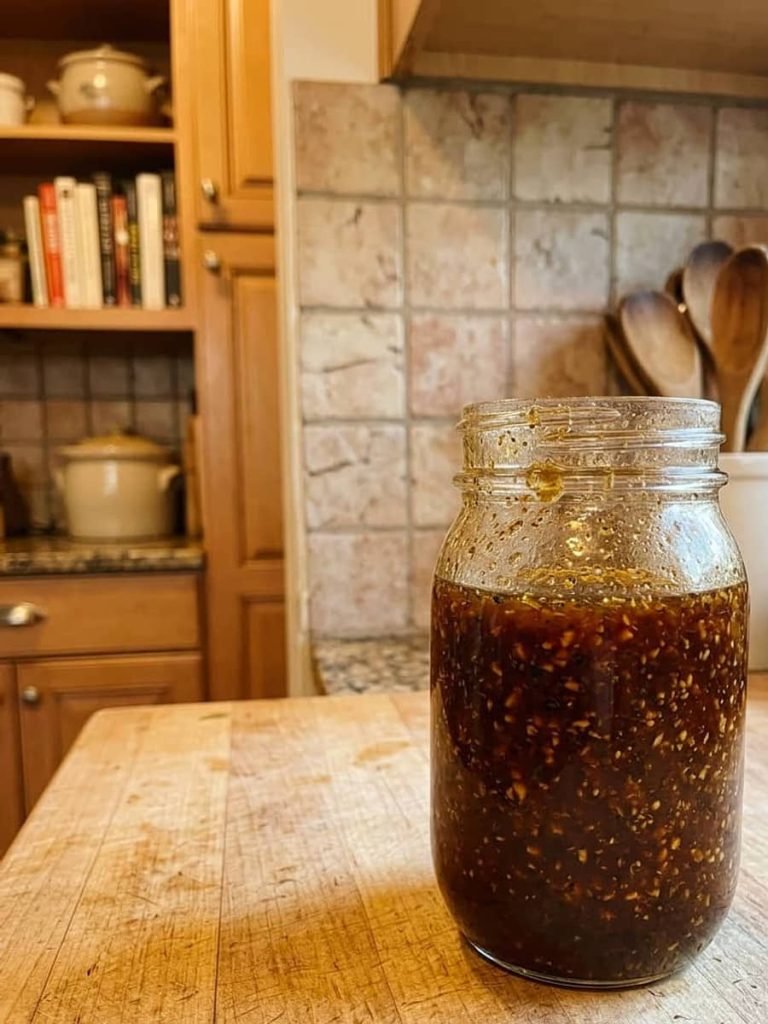
Making Balsamic Vinaigrette, Step by Step
- Combine the base ingredients. Add the balsamic vinegar, Dijon mustard, honey, grated garlic, minced shallot (if using), salt, and pepper to a clean glass jar with a tight-fitting lid. Shake or stir until the mustard disappears into the vinegar and the mixture looks uniform, with no streaks of mustard visible.
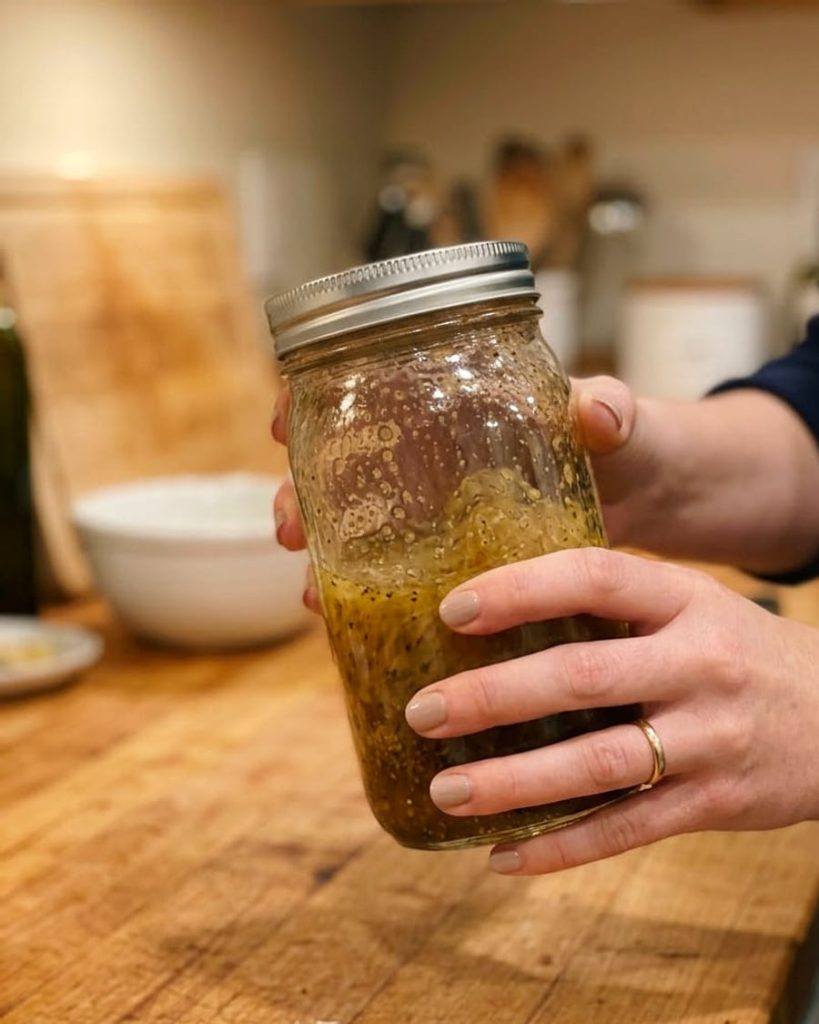
- Add the oil. Pour the olive oil into the jar. Seal the lid tightly and shake hard for about 20 seconds. Stop when the dressing has turned from two distinct layers into one opaque, slightly thickened liquid that coats the inside of the jar evenly.
- Check the emulsion. Hold the jar up to the light. If you still see a clear layer of oil floating on top, it hasn’t come together yet. Shake for another 10 seconds. If it’s still stubborn, add an extra 1/2 tsp Dijon, seal the lid, and shake again until the dressing looks uniform and cloudy throughout.
- Taste on a leaf. Dip a piece of lettuce into the jar and taste it, not the dressing off a spoon. Dressing tastes sharper on its own than it does on greens, and tasting it neat is what leads people to over-sweeten. Adjust salt, pepper, or honey at this point until it tastes right to you.
Tips
- Make it directly in the jar you plan to store it in. Shaking in the storage jar means no whisk, no bowl, and nothing extra to wash, which is the whole point of making dressing at home.
- The dressing will separate in the fridge between uses. That’s completely normal. Bottled dressings don’t separate because they contain commercial emulsifiers you don’t have at home. Just shake the jar again before each use.
- Olive oil firms up when cold. If the dressing looks thick or cloudy straight from the fridge, set the jar on the counter for 15 minutes before you pour it.
- If your balsamic is thin and sharp, use the full 2 tsp honey. If it’s a thick, aged balsamic that’s already sweet, start with 1 tsp and taste first.
- For a sharper dressing, shift the ratio to 2:1 oil to vinegar. The classic 3:1 is softer, but some people genuinely prefer more bite, and going to 2:1 is a real option, not a mistake.
- I still don’t measure the garlic precisely, and I’m not going to start. A small clove grated fine is close enough every time.
Make-Ahead and Leftovers
Keep the balsamic vinaigrette in a sealed jar in the refrigerator for up to one week. The oil will solidify slightly when cold, which is normal for extra virgin olive oil.
Let it sit out for 15 minutes before using, then shake well. This dressing doesn’t freeze well.
The emulsion breaks when it thaws and doesn’t come back together cleanly, even with shaking. You can make it up to five days ahead with no loss of flavor.
In fact, the garlic and shallot mellow a little after a day in the fridge, which many people prefer.
What to Serve With Balsamic Vinaigrette
- A simple green salad with romaine or mixed greens, where the dressing can do the work without competing with a heavy sauce
- Sliced tomatoes and fresh mozzarella, because the balsamic flavor pairs naturally with both and the dressing pulls the plate together without any extra effort
- Grilled chicken or salmon, drizzled over the top right before serving so the dressing stays bright and doesn’t cook off
- Roasted vegetables like zucchini, eggplant, or bell peppers, where the slight sweetness of the balsamic picks up the caramelized edges
- A grain bowl with farro or quinoa, where you need a dressing sturdy enough to coat the grains without going watery
Equipment Worth Having
- A glass jar with a tight-fitting lid, at least 12 oz so there’s room to shake without the dressing leaking out the sides
- A fine grater or microplane for the garlic, so it blends into the dressing instead of leaving chunks that taste raw
- A small sharp knife for mincing the shallot finely enough that it disappears into the dressing rather than sitting in clumps
- Measuring spoons, because the honey and mustard amounts matter more than they seem for getting the balance right
Frequently Asked Questions
Why does my balsamic vinaigrette separate so fast? Oil and vinegar don’t naturally stay mixed because they’re two different types of liquid. Dijon mustard is what holds them together, so if your dressing splits within minutes, you likely need a little more mustard. Add another 1/2 tsp, seal the jar, and shake hard again.
Can I use a different vinegar instead of balsamic? Red wine vinegar or apple cider vinegar both work at the same 3:1 ratio, but the flavor will be sharper and less sweet than balsamic. You may want to reduce the honey slightly or skip it altogether depending on the vinegar you choose.
How do I know when the dressing is properly emulsified? The dressing should look opaque and slightly thickened, like a light tan liquid that coats the inside of the jar. If you can still see a clear oil layer floating on top, it hasn’t come together yet. Keep shaking.
Can I use regular olive oil instead of extra virgin? Yes, regular olive oil works fine and has a milder flavor. Extra virgin gives the dressing more character since there’s no cooking involved, but either one produces a dressing that holds together and tastes good.
My dressing tastes too sharp. What do I do? Taste it on a piece of lettuce first, because dressing always tastes sharper straight from the jar than it does on greens. If it still reads as too acidic on the leaf, add a small pinch of salt and another 1/2 tsp honey, then shake and taste again.
More Family Favorites
- How to Cook Fluffy White Rice
- Perfect Hard-Boiled Eggs
- Chewy Snickerdoodles
- Classic Apple Crisp
- Classic Apple Pie
- Classic Beef Chili
- Classic Beef Stew
- Classic Blueberry Muffins
- Classic Carrot Cake with Cream Cheese Frosting
- Classic Chocolate Cake
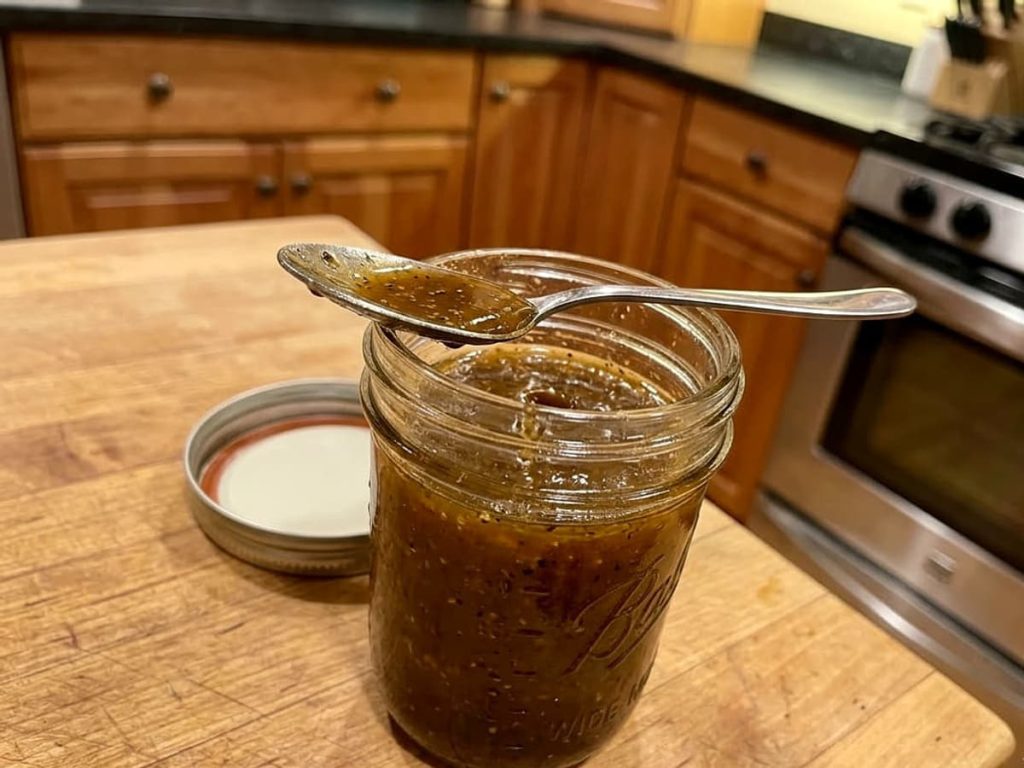
Classic Balsamic Vinaigrette
Course: BasicsCuisine: American8
servings5
minutes5
minutesIngredients
3/4 cup extra virgin olive oil
1/4 cup balsamic vinegar
1 tbsp Dijon mustard
2 tsp honey
1 small garlic clove, finely grated
1 tbsp shallot, finely minced (optional)
1/2 tsp fine salt
1/4 tsp black pepper
Directions
- Combine the base ingredients. Add the balsamic vinegar, Dijon mustard, honey, grated garlic, minced shallot (if using), salt, and pepper to a clean glass jar with a tight-fitting lid. Shake or stir until the mustard disappears into the vinegar and the mixture looks uniform, with no streaks of mustard visible.
- Add the oil. Pour the olive oil into the jar. Seal the lid tightly and shake hard for about 20 seconds. Stop when the dressing has turned from two distinct layers into one opaque, slightly thickened liquid that coats the inside of the jar evenly.
- Check the emulsion. Hold the jar up to the light. If you still see a clear layer of oil floating on top, it hasn’t come together yet. Shake for another 10 seconds. If it’s still stubborn, add an extra 1/2 tsp Dijon, seal the lid, and shake again until the dressing looks uniform and cloudy throughout.
- Taste on a leaf. Dip a piece of lettuce into the jar and taste it, not the dressing off a spoon. Dressing tastes sharper on its own than it does on greens, and tasting it neat is what leads people to over-sweeten. Adjust salt, pepper, or honey at this point until it tastes right to you.


