
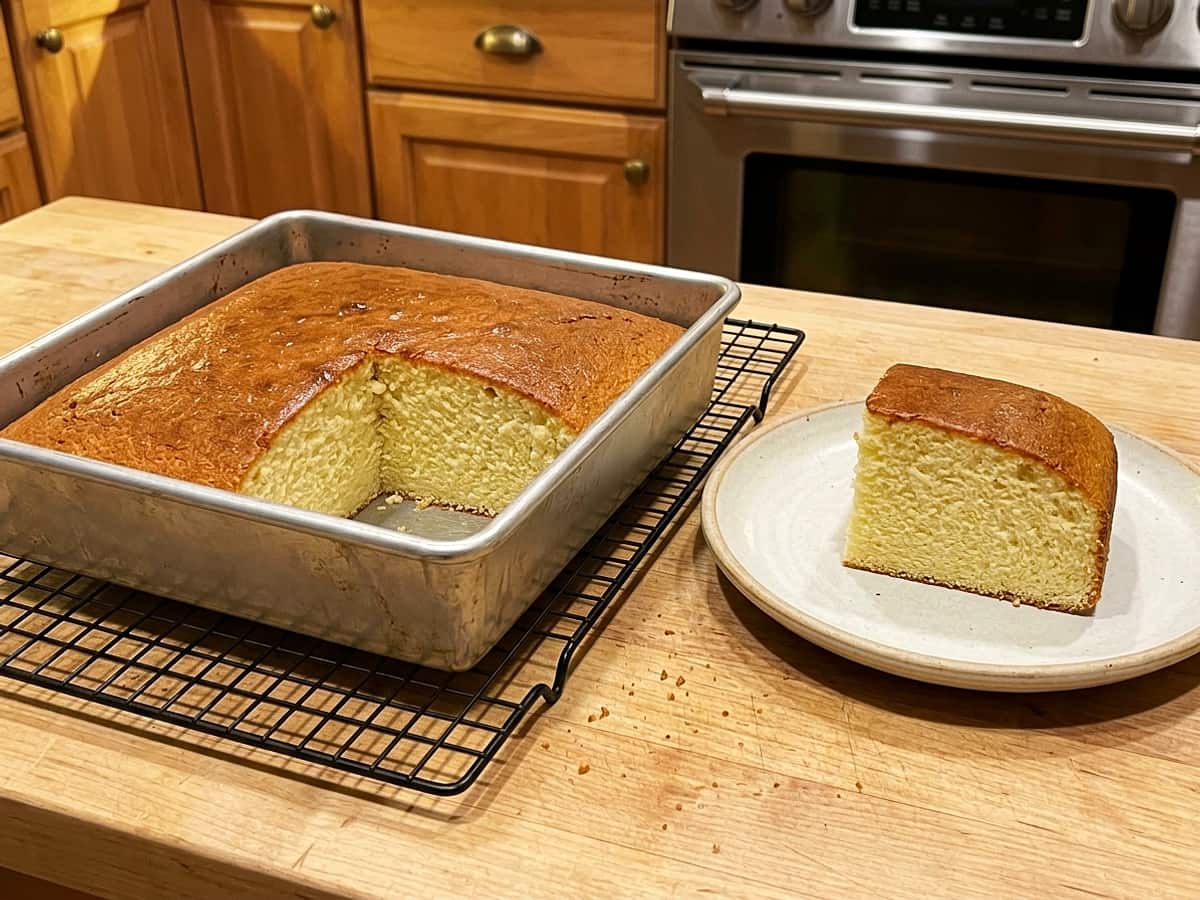
Fluffy Castella Cake
I scraped the bottom of my glass mixing bowl yesterday trying to coax the last stubborn streaks of flour into the batter. Making a castella cake requires a gentle hand, and I rushed the process terribly on my very first attempt.
This delicate sponge is famous for a miraculously bouncy texture. It relies entirely on trapped air to rise rather than heavy chemical leaveners.
I still don’t fold the egg whites perfectly every single time, and I’m definitely not going to lose sleep over a cracked crust. My family devours the whole thing in under an hour anyway.
Serving this with a simple cup of afternoon black tea feels like a quiet victory. You get a remarkably soft crumb with very basic pantry staples.
Prep: 25 minutes · Cook: 60 minutes · Total: about 2 hours (with cooling) · Serves: 8
Why does my castella cake crack on top? Cracking happens when the oven heat is too high or the egg whites are beaten too stiff.
The trapped air expands rapidly and bursts right through the fragile crust. You can prevent this by whipping the whites only to soft peaks.
A water bath also moderates the baking temperature.
What Goes Into Fluffy Castella Cake
- 6 large eggs, separated
- 100 g cake flour (or all-purpose flour)
- 100 g unsalted butter (or 100 ml vegetable oil)
- 100 g milk
- 100 g sugar
- 10 g cornstarch (optional)
- 5 g lemon juice (optional)
- 1 tsp vanilla extract (optional)
- 1 g salt (optional)
Picking the Right Ingredients
Weighing your main components is absolutely critical here. The classic Emojoie recipe scales perfectly if you keep the equal ratios, offering a 65-gram version or a tiny 35-gram version for every main ingredient.
Using a digital scale removes the guesswork you’d normally get with volume cups.
The original sources don’t specify the number of eggs for the 100-gram ratio, so I rely on a standard kitchen conversion. I use six large eggs, making sure to separate the yolks from the whites while they’re cold.
Cold eggs separate cleanly, but the whites whip up much better once they reach room temperature.
Cake flour gives the softest possible crumb because of its lower protein content. You can certainly substitute all-purpose flour if that’s what you have on hand.
The texture will be slightly less bouncy, but the flavor remains wonderful.
How I Make It
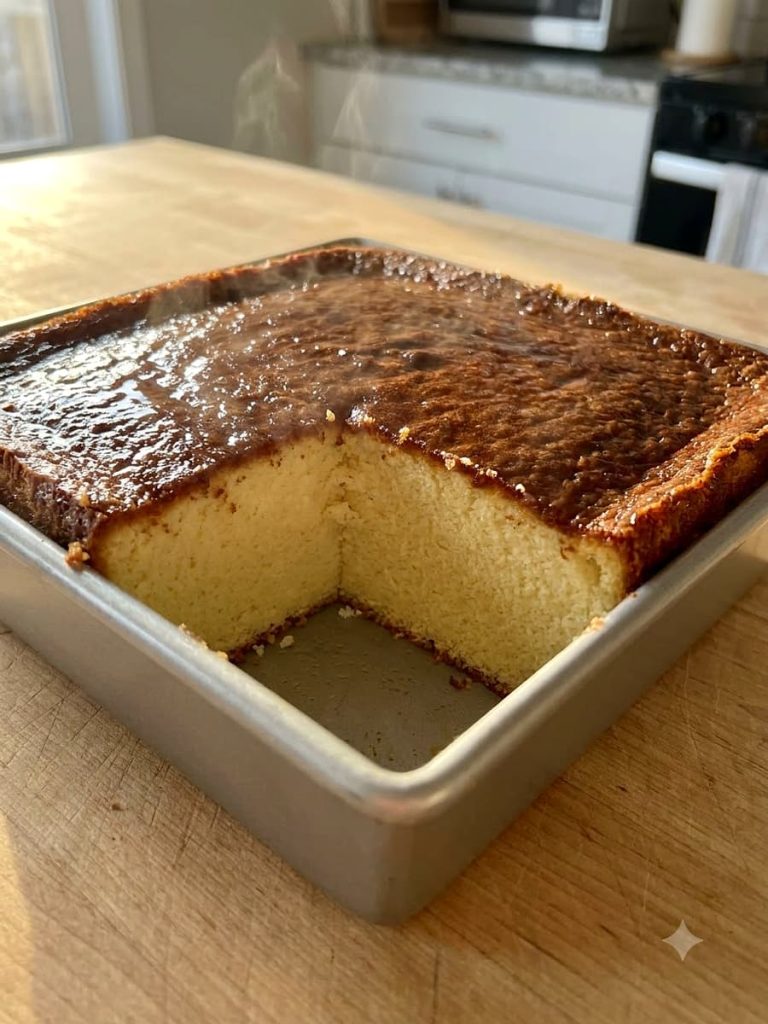
- Prepare the pan. The reference material does not specify a pan size for the 100-gram ratio, so I line an 8-inch square pan with parchment paper. Leave an overhang on the sides so you can lift it out when the edges pull away from the paper.
- Heat the liquids. Warm the butter and milk together in a small saucepan over low heat. You want the mixture just hot enough to melt the butter completely, but stop before it reaches a rolling boil.
- Mix the roux. Pour the hot liquid directly into your weighed flour and whisk them together. The heat cooks the starches slightly to form a smooth paste that looks thick and pulls away from the sides of the bowl.
- Incorporate the yolks. Whisk the egg yolks and vanilla extract into the warm flour paste one at a time. Continue mixing until the batter becomes entirely smooth and falls off the whisk in a thick ribbon.
- Whip the whites. Beat the egg whites with the lemon juice and salt until foamy, then gradually add the sugar. Stop when you reach soft peaks that flop over slightly, since stiff peaks will cause the crust to crack in the oven.
- Fold the batter. Gently fold the whipped egg whites into the yolk mixture in three separate additions. Scrape the bottom of the bowl carefully until no white streaks remain and the batter looks uniform and fluffy.
- Bake in a water bath. Place your cake pan inside a larger roasting pan. The sources omit a water level, so I pour boiling water halfway up the sides before baking until the top springs back to a light touch.
- Cool the cake. The recipes omit cooling instructions entirely, so I remove the pan from the water bath and let it sit on a wire rack. Wait until it feels completely cool to the touch before lifting it out by the parchment.
How to Store It
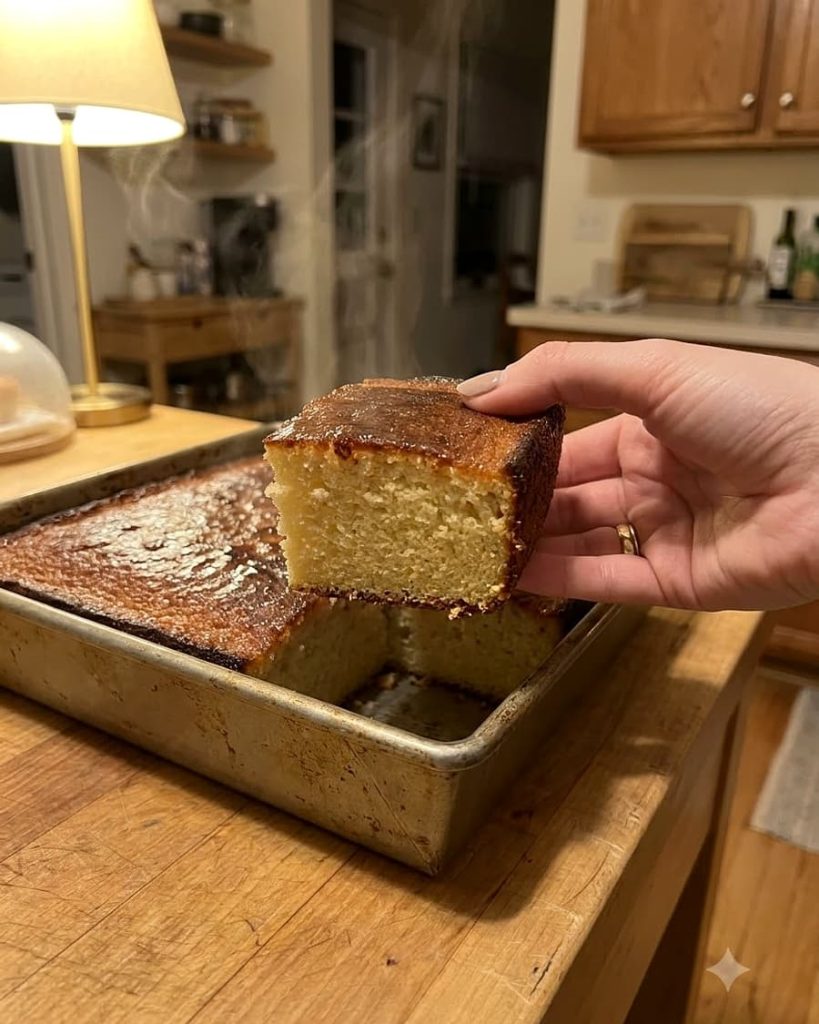
Wrap any remaining castella cake very tightly in plastic wrap once it cools completely. This delicate sponge dries out rapidly if exposed to the ambient air.
You can keep it at room temperature for the first day, but the high egg content means it really belongs in the refrigerator after that. Chilled slices actually develop a slightly denser, wonderfully fudgy texture that many people prefer.
You can eat them cold straight from the fridge or let them sit on the counter for twenty minutes to soften up. For longer storage, wrap individual portions in plastic wrap and place them in a heavy freezer bag.
They freeze beautifully for up to a month. Thaw a slice overnight in the refrigerator whenever you need a quick dessert for a packed lunch.
Keep Cooking
- Bubbling Blackberry Cobbler
- Bubbling Blueberry Cobbler
- Chewy Snickerdoodles
- Classic Apple Crisp
- Classic Apple Pie
- Classic Blueberry Cheesecake (Baked)
- Classic Carrot Cake with Cream Cheese Frosting
- Classic Chocolate Cake
- Classic French Apple Cake
- Classic Lemon Bars
Fluffy Castella Cake
Course: DessertCuisine: American8
servings25
minutes1
hourIngredients
6 large eggs, separated
100 g cake flour (or all-purpose flour)
100 g unsalted butter (or 100 ml vegetable oil)
100 g milk
100 g sugar
10 g cornstarch (optional)
5 g lemon juice (optional)
1 tsp vanilla extract (optional)
1 g salt (optional)
Directions
- Prepare the pan. The reference material does not specify a pan size for the 100-gram ratio, so I line an 8-inch square pan with parchment paper. Leave an overhang on the sides so you can lift it out when the edges pull away from the paper.
- Heat the liquids. Warm the butter and milk together in a small saucepan over low heat. You want the mixture just hot enough to melt the butter completely, but stop before it reaches a rolling boil.
- Mix the roux. Pour the hot liquid directly into your weighed flour and whisk them together. The heat cooks the starches slightly to form a smooth paste that looks thick and pulls away from the sides of the bowl.
- Incorporate the yolks. Whisk the egg yolks and vanilla extract into the warm flour paste one at a time. Continue mixing until the batter becomes entirely smooth and falls off the whisk in a thick ribbon.
- Whip the whites. Beat the egg whites with the lemon juice and salt until foamy, then gradually add the sugar. Stop when you reach soft peaks that flop over slightly, since stiff peaks will cause the crust to crack in the oven.
- Fold the batter. Gently fold the whipped egg whites into the yolk mixture in three separate additions. Scrape the bottom of the bowl carefully until no white streaks remain and the batter looks uniform and fluffy.
- Bake in a water bath. Place your cake pan inside a larger roasting pan. The sources omit a water level, so I pour boiling water halfway up the sides before baking until the top springs back to a light touch.
- Cool the cake. The recipes omit cooling instructions entirely, so I remove the pan from the water bath and let it sit on a wire rack. Wait until it feels completely cool to the touch before lifting it out by the parchment.


